For years, I started every single morning the same way. Large coffee. Drive thru. Rush to work. That was my normal protocol.
Then I started reading about microplastics and chemical exposure from food packaging. What shocked me the most was what I discovered about coffee. Not the caffeine. Not the beans. The cup. The lid. The brewing equipment. The environmental toxins that sneak into something we drink every single morning.
Once I saw the science, I could not ignore it. It sent me down a rabbit hole into how coffee is grown, processed, and served. It eventually took me to the coffee farms in Medellin, Colombia where I saw what real coffee looks like before corporations and machines get involved.
This article is my personal experience and the best facts available today about how to avoid drinking plastic with your coffee.
The Hidden Problem: Why There Is Plastic In Your Coffee
Microplastics and heat are a bad combination
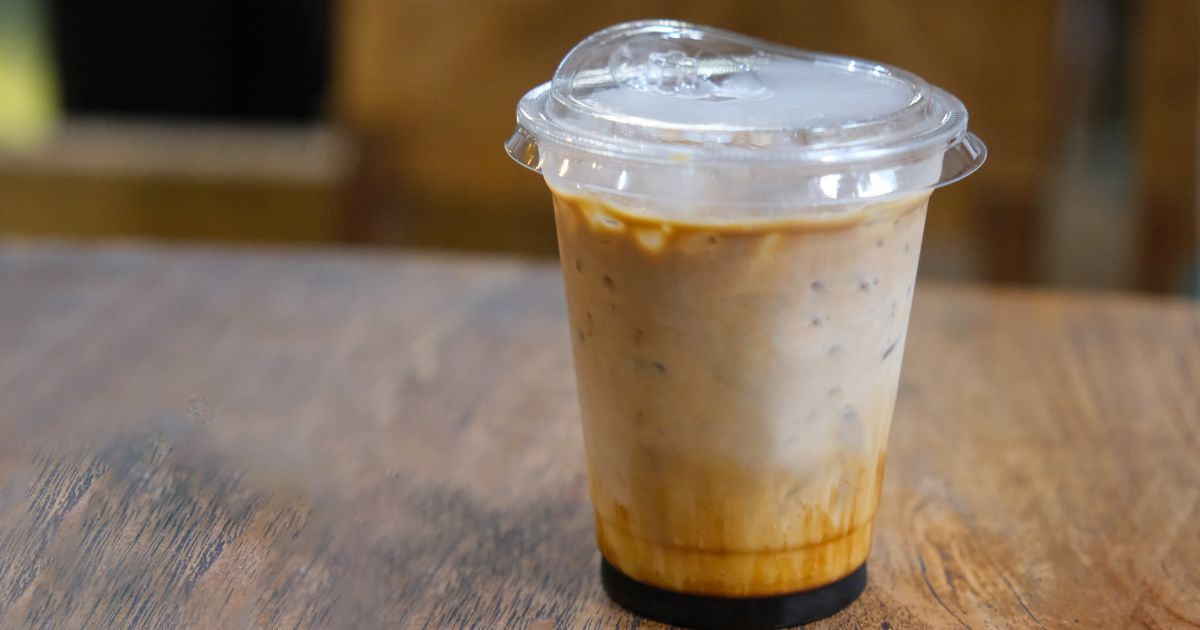
When hot coffee is poured into a plastic lined cup or served with a plastic lid, microscopic plastic particles can leach into the drink. A study showing that drip bags and plastic-lined bags can release tens of thousands of microplastics under hot conditions.
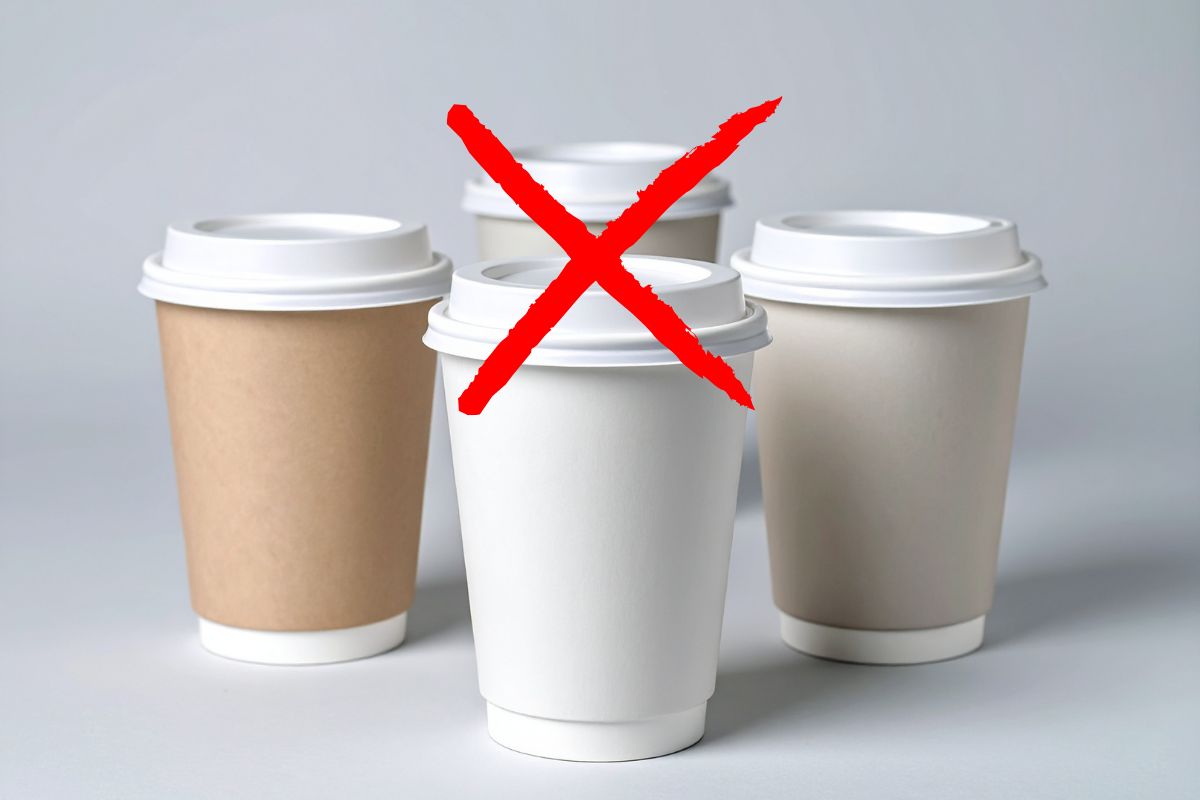
Most disposable cups, even paper ones, contain a thin polyethylene layer to keep liquid from soaking through. When heated, these plastics do not just sit there. They release something into what we consume.
Multiple studies have found that just one cup can shed thousands of microplastic particles. That means your morning coffee might contain foreign tiny plastics that your body cannot break down.
Lids are even worse
We all know the familiar plastic lid on drive thru coffee. It seems harmless. But that lid sits directly in contact with the steam from your hot drink. Heat plus time equals more microplastic transfer.
The warmer the coffee, the more exposure.
Coffee machines matter too
Many home and commercial coffee machines contain plastic reservoirs, tubing, and internal parts that touch boiling water. Over time these plastics degrade. They release:
-
Micro and nanoplastics
-
Plasticizers like BPA and BPS
-
PFAS forever chemicals
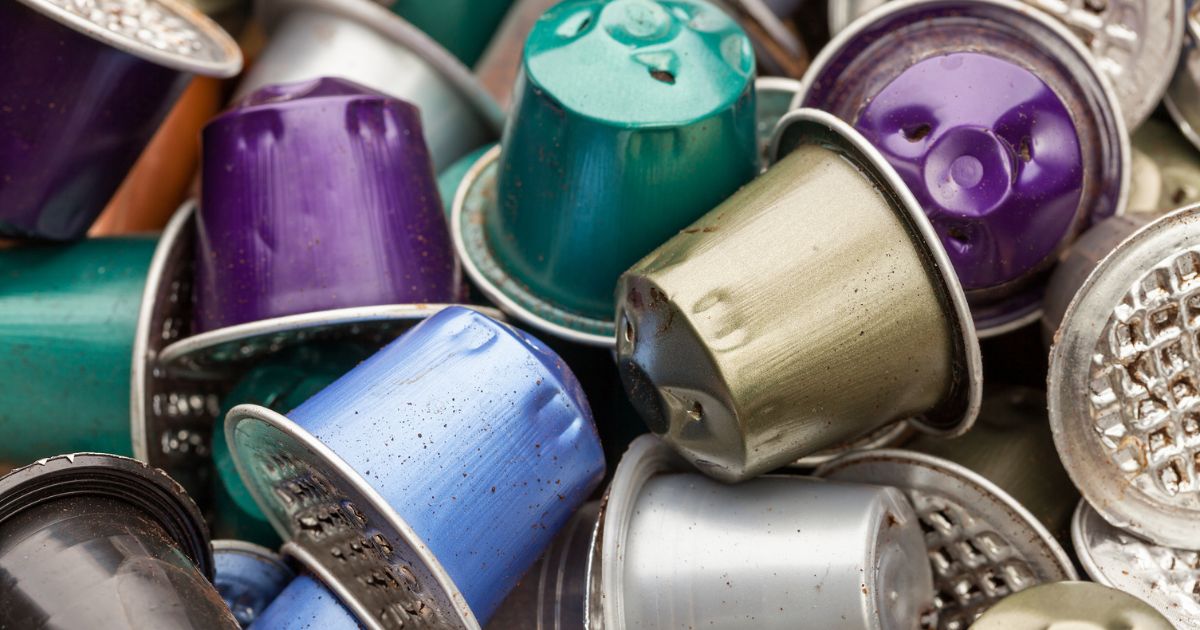
Even single use coffee pods contain plastics and aluminum that are exposed to high heat.
I started asking myself one question:
Why am I working so hard to be healthy if I am swallowing toxic plastic every morning.
The Corporate Coffee Issue: Mass Production Comes With Tradeoffs
When I traveled to Medellin, Colombia, I met growers who proudly showed me coffee trees, cherries, washing stations, and drying beds. Everything was fresh. Local. Natural. They knew exactly what was happening at every stage.
Contrast that with most mass produced coffee served by big chains. I am talking about companies like Tim Hortons, McDonalds, and Starbucks. Their goal is not the purest coffee possible. Their goal is consistency, low cost, shelf stability, and serving millions of cups daily.
That scale brings real problems:
Mold contamination risk
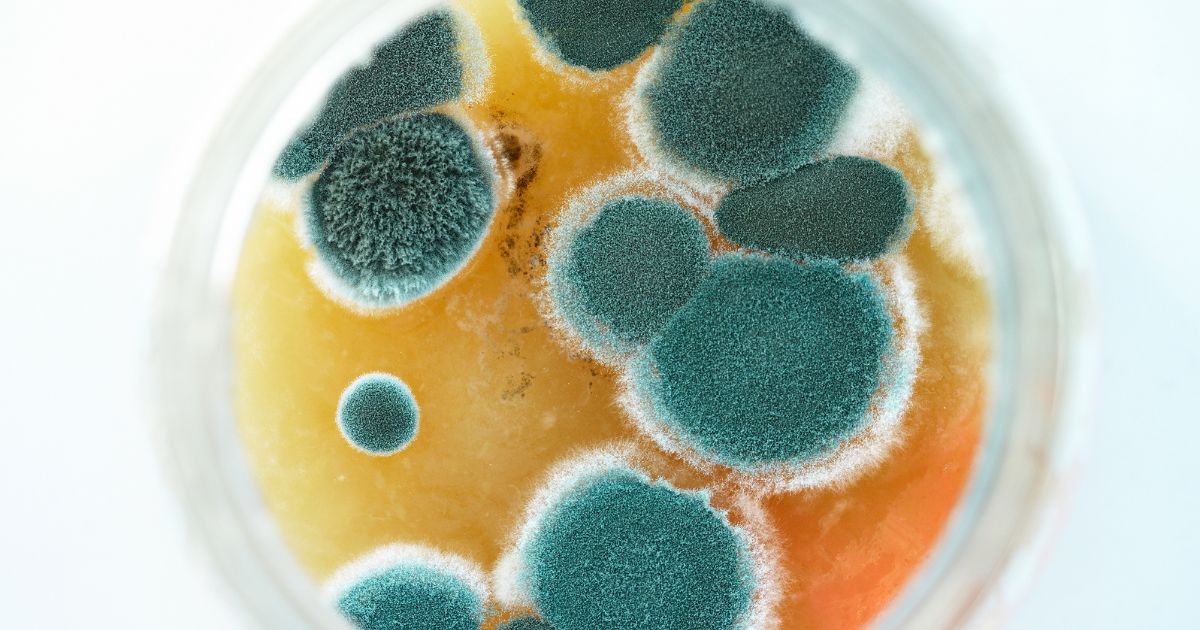
Coffee beans are global products that travel huge distances. Incorrect storage or moisture can lead to mold growth and mycotoxins. Some independent tests have shown contamination concerns in cheap mass produced beans.
Chemical residues
Industrial coffee farms often rely on pesticides and chemical fertilizers to increase output. These residues do not magically disappear.
Stale beans
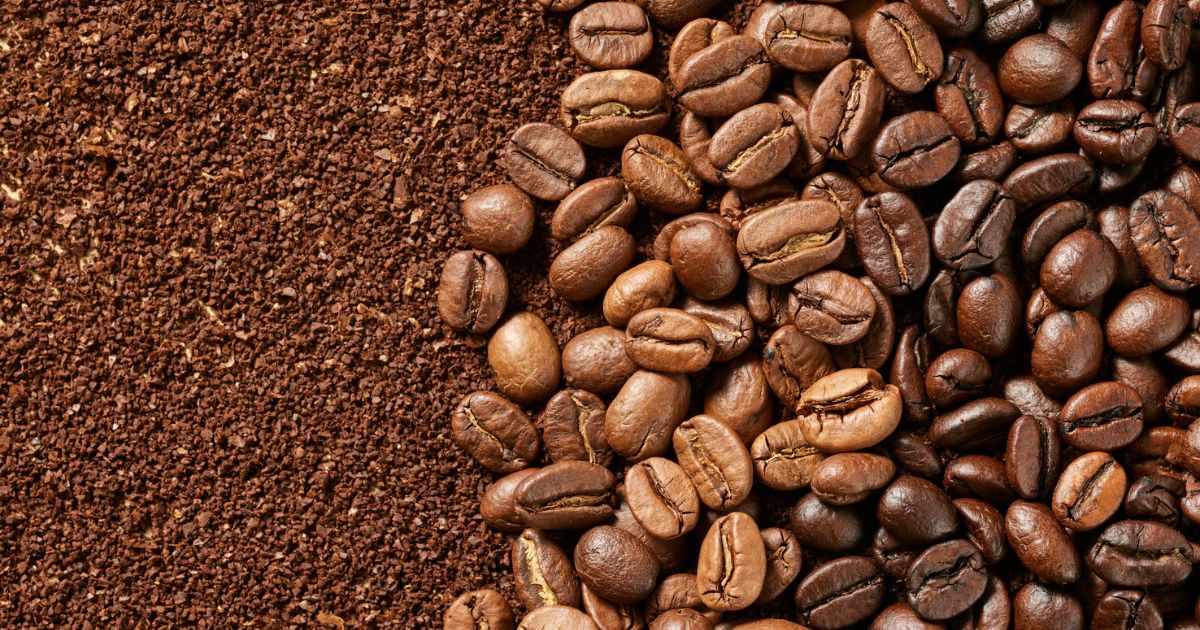
Fresh roasted coffee has a strong aroma and vibrant oils. Once roasted, those flavors and nutrients degrade fast. Most corporate chains use beans roasted months ago so they can ship and store them in bulk.
It is a huge contrast from the coffee farms in Medellin. The farmers I met take pride in small batch production, sun drying, and hand sorting. They told me:
Coffee is supposed to be alive. Not dead on arrival.
The Taste Test That Changed Everything
Before visiting Colombia, I believed I knew what good coffee tasted like. Then I tasted a cup made from beans picked that same week. No additives. No automation. Brewed in a clean metal filter.
It tasted radically different. Smooth. Bright. Not acidic. Even drinking it black felt indulgent.
That was when I understood something important:
Coffee is only as pure as the process that brings it to your cup.
How I Stopped Drinking Plastic With My Coffee
After learning all of this, I created new Better Life Protocols for my daily coffee ritual. Here is what I did.
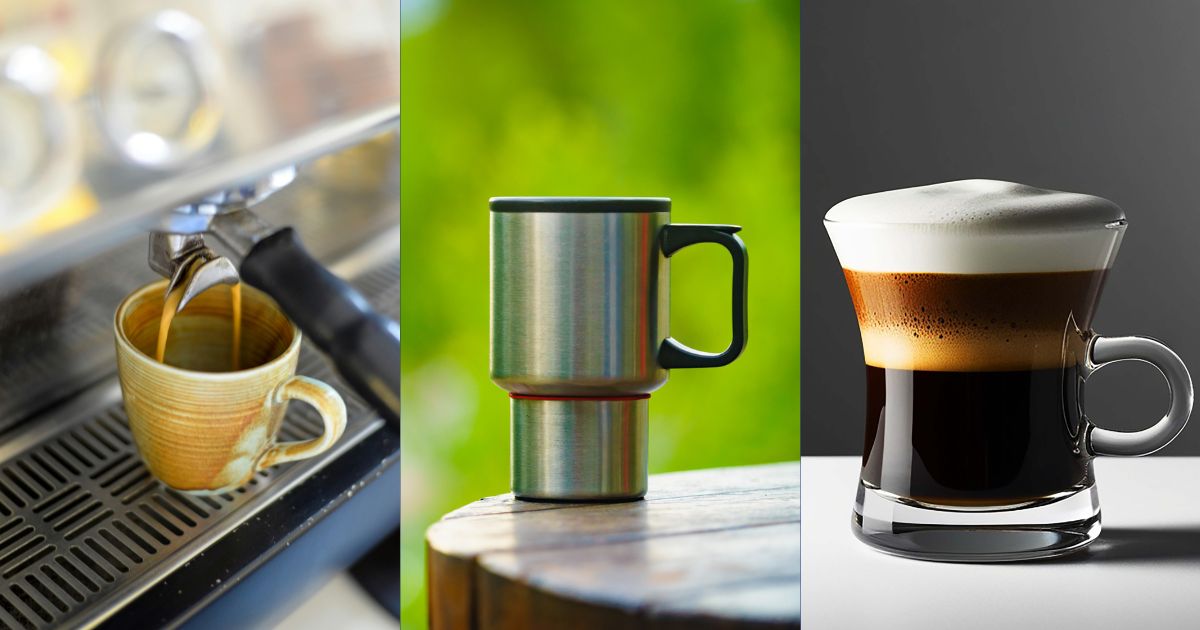
1. Ditch the plastic cup
I switched to:
-
Ceramic mugs at home
-
Stainless steel thermal cups when out
-
Glass when possible
No plastic contact with hot liquid. Simple rule. Huge difference.
2. Avoid plastic lids
When ordering coffee to go, I ask for no lid. If I must use one, I wait for the coffee to cool slightly so it is not steaming against plastic.
Better yet, I bring my own stainless steel cup and ask them to fill that.
3. Upgrade the brewing equipment
I replaced plastic heavy machines with:
-
Stainless steel pour over
-
French press with metal filter
-
Glass coffee carafe
If something touches heat and water, it should not be plastic.
4. Choose clean, fresh beans
Look for:
-
Single origin coffee
-
Fresh roast dates
-
Mold tested brands
-
Organic or natural farming
If you can, ask where the beans are roasted. Local is best. Small roasters care more.
5. Stop buying the cheapest drive thru coffee
Fast coffee = fast contamination. I limit big chain purchases as much as possible.
The Coffee Maker Upgrade That Changed Everything
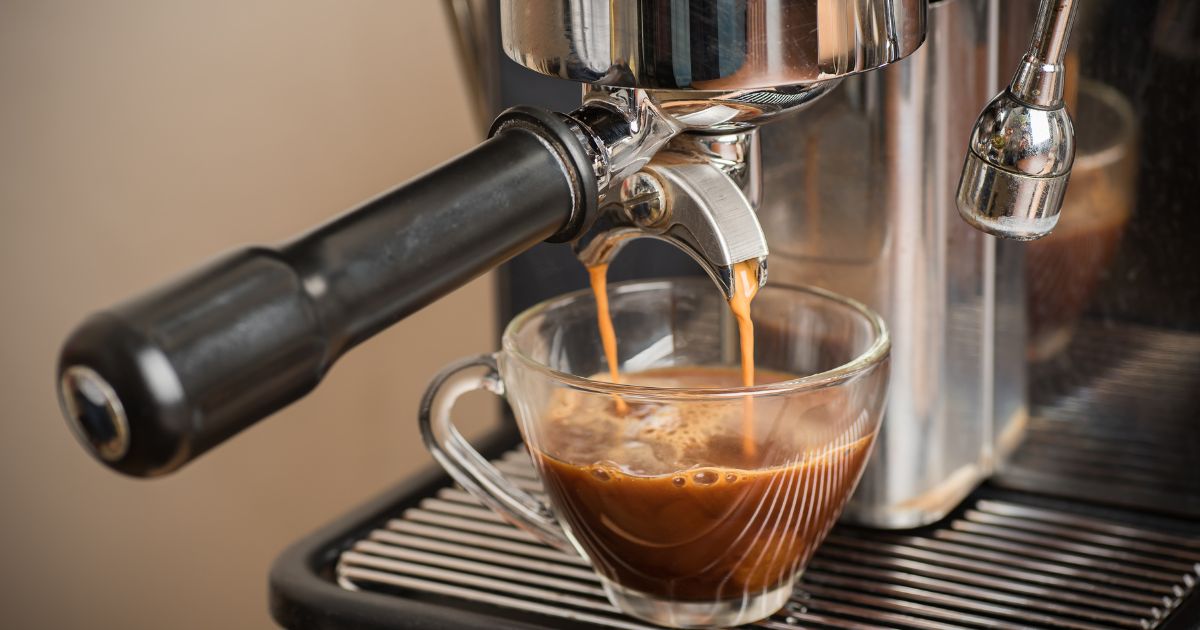
After learning about plastics in brewing systems, I decided to completely overhaul my setup at home. I started researching machines that use metal instead of plastic wherever hot water travels. That search led me to the Ninja Espresso & Coffee Barista System — you can find it here on Amazon.
What impressed me immediately was how thoughtfully it’s built. The hot water tank, internal piping, and key brewing parts are all metal, not plastic. This means that when the water heats and flows through the system, it stays away from the endocrine-disrupting chemicals that can leach out of plastic components in traditional coffee machines.
In my old coffee maker, every drop of boiling water touched plastic somewhere, whether the tank, the tubes, the filter holder. That means every cup was exposed to a bit of synthetic residue. I threw that one out as soon as I realized what was happening. The Ninja, on the other hand, keeps everything clean and stable. Hot water meets stainless steel, not synthetic material. The result is a smoother, cleaner-tasting coffee and peace of mind knowing I’m not drinking invisible contaminants with every sip.
I always tell people to check their coffee maker at home. Open the tank, look inside, and ask yourself: how much of your hot water is touching plastic before it reaches your cup? That one question can completely change the quality of your daily coffee. The Ninja system might look like a simple upgrade, but for me, it was a total shift toward a healthier, cleaner way to enjoy coffee.
What Kind of Coffee Is Better For You
Best choices
-
Specialty grade Colombian or Central American beans
-
Organic shade grown beans free of pesticides
-
Fresh roasted within the last 30 days
-
Brewed with metal or glass equipment
-
No plastics touching heat
Good options
-
Reputable independent cafe coffee
-
Beans that provide mold free testing results
-
Fair trade coffees
Worst choices
-
Drive thru coffee in plastic lined cups
-
Pods and capsules with plastic chambers
-
Very cheap bulk beans with unknown sourcing
-
Coffee that tastes burned or stale
You deserve better than the bottom of the barrel.
The Bigger Picture: Health Impacts We Cannot Ignore
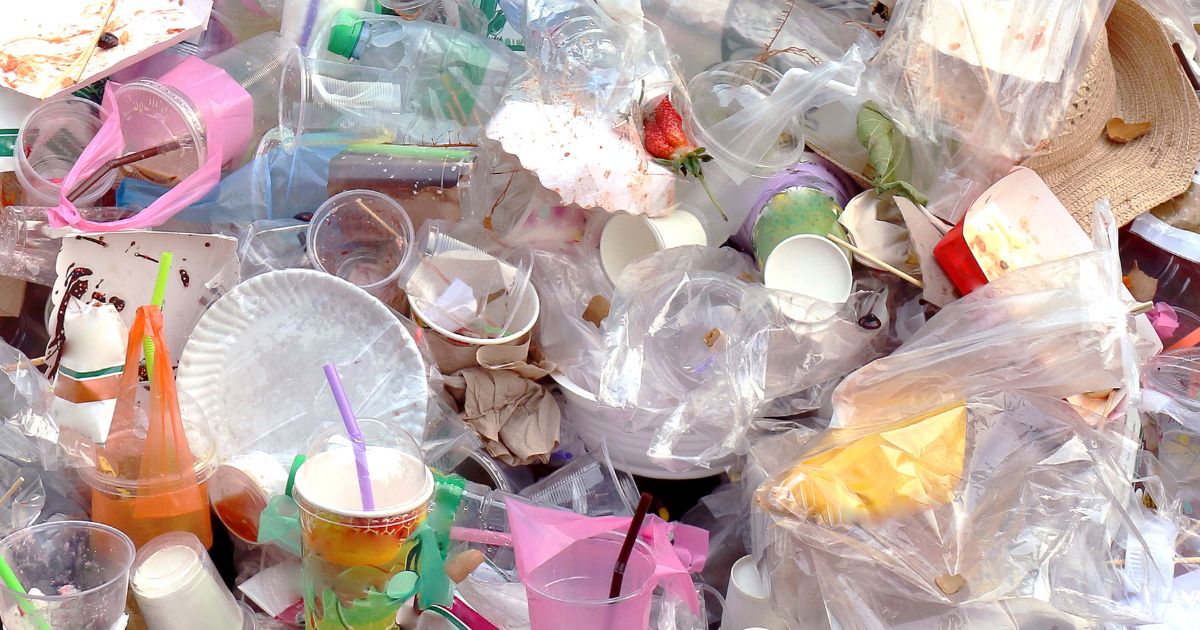
When I first heard about microplastics, I thought it was environmental science. Something about oceans and recycling. Then I learned that human blood has been found to contain microplastic particles. They can travel through tissues and potentially disrupt hormone systems. Research showing microplastics have been detected in human blood (in 90% of healthy donors) with quantified polymer types.
If we are being exposed daily, small amounts add up. One coffee today. Another tomorrow. Multiply that over decades. You’d be surprised how many everyday items quietly harm your health in similar ways.
This is not fear. This is awareness. Our lifestyle choices are defining our long term health.
And for most people, coffee is the one thing they never miss. That makes it the easiest place to start making a better change.
What I Saw In Colombia Changed Me Forever
When I stood among coffee trees in the mountains outside Medellin, I realized what coffee truly is:
A fruit that grows on a branch. A local craft. A livelihood for communities. A product of soil, sun, and passion.
Not a beverage pumped through plastic parts into a plastic lined cup with a plastic lid.
The farmers in Colombia are guardians of a tradition. Their coffee has a story. It is not something that should be treated as drive thru fuel.
I came home with a mission.
Better Coffee Is A Better Life Protocol
I made a promise to myself. If I am going to drink coffee every day, it must support my health. My energy. My brain. My longevity.
Small changes. Big results.
Today I wake up excited to brew my coffee. It tastes better. It feels better. I know what is in it. And more importantly, what is not.
I am sharing this here because I want you to feel that difference too.
Your Next Steps: Simple Actions For A Cleaner Cup
Here is your starter checklist:
✔ Bring your own cup
Stainless steel or ceramic is best.
✔ Ask for no lid
If you forget your mug.
✔ Upgrade your brewer
Avoid plastic where water heats or flows.
✔ Buy clean beans
Fresh. Transparent sourcing. Mold tested if possible.
✔ Slow down the ritual
Coffee is not meant to be rushed.
Make one change this week. Make another next week. Build your own better life protocol.
Final Thoughts: Protect Your Ritual
Coffee has always been more than a drink. It’s a daily ritual, a moment of focus, and for many of us, a form of comfort. But when that ritual becomes tainted with plastic, chemicals, and industrial shortcuts, it loses the purity that made it special in the first place.
The truth is, we have accepted convenience over consciousness for far too long. The plastic cup, the single-use lid, and the quick drive-thru order have become habits that quietly chip away at our health and at the essence of what coffee should be.
After standing among the coffee trees in Medellin and seeing how much care and integrity go into real coffee production, I realized how disconnected we have become from that process. Clean coffee is not just about avoiding microplastics; it’s about reconnecting with something real, respecting the craft, and honoring your body with what you consume. Every morning, you have a choice: to take back that ritual and turn it into something that supports you. Brew consciously. Drink from real materials. Choose beans that tell a story and nourish your body instead of polluting it. Protecting your ritual is about protecting yourself, and that one small act of awareness can ripple out into every other part of your life.