
I’ve always believed that dogs are our mirrors. The more I study health and longevity, the clearer it becomes that our pets reflect our lifestyle choices back to us; sometimes for better, sometimes for worse. As someone who’s passionate about metabolic health, I’ve realized that dogs are, in many ways, metabolically healthier than most humans. And the reasons why tell us a lot about what’s gone wrong with modern living.
The Basics of Metabolic Health in Dogs

When we talk about “metabolic health,” we’re referring to how efficiently the body converts food into energy, manages blood sugar, maintains muscle mass, and prevents inflammation. For dogs, this process is incredibly streamlined. Their metabolism evolved to thrive on protein and fat, with minimal carbohydrates. According to the American Kennel Club’s guide to canine nutrition, dogs derive their best energy from animal proteins and healthy fats, while too many carbs can disrupt their metabolic efficiency. Their bodies are designed to burn fuel cleanly, efficiently, and predictably.
In contrast, many humans, myself included at times, have metabolic systems that are overburdened by sugar, stress, and processed foods. For those looking to improve their own cellular and metabolic function, the Core 4 supplements collection that can help support energy production and reduce inflammation naturally.
Dogs rarely develop metabolic syndrome unless humans inadvertently feed them the same kind of diet that makes us sick.
Think about it: dogs don’t drink soda, eat pastries, or snack at midnight. They eat, rest, move, and repeat. Their metabolic rhythm is simple and balanced.
How Much Healthier Are Dogs Than Humans?

It’s a tough comparison, but in terms of metabolic efficiency, dogs might have the upper hand. While a healthy dog’s metabolism stays relatively steady throughout life, humans tend to accumulate metabolic dysfunction over time. A recent VCA Animal Hospitals report notes that obesity and poor metabolic health in dogs are almost always lifestyle-induced, emphasizing the parallels between canine and human weight management.
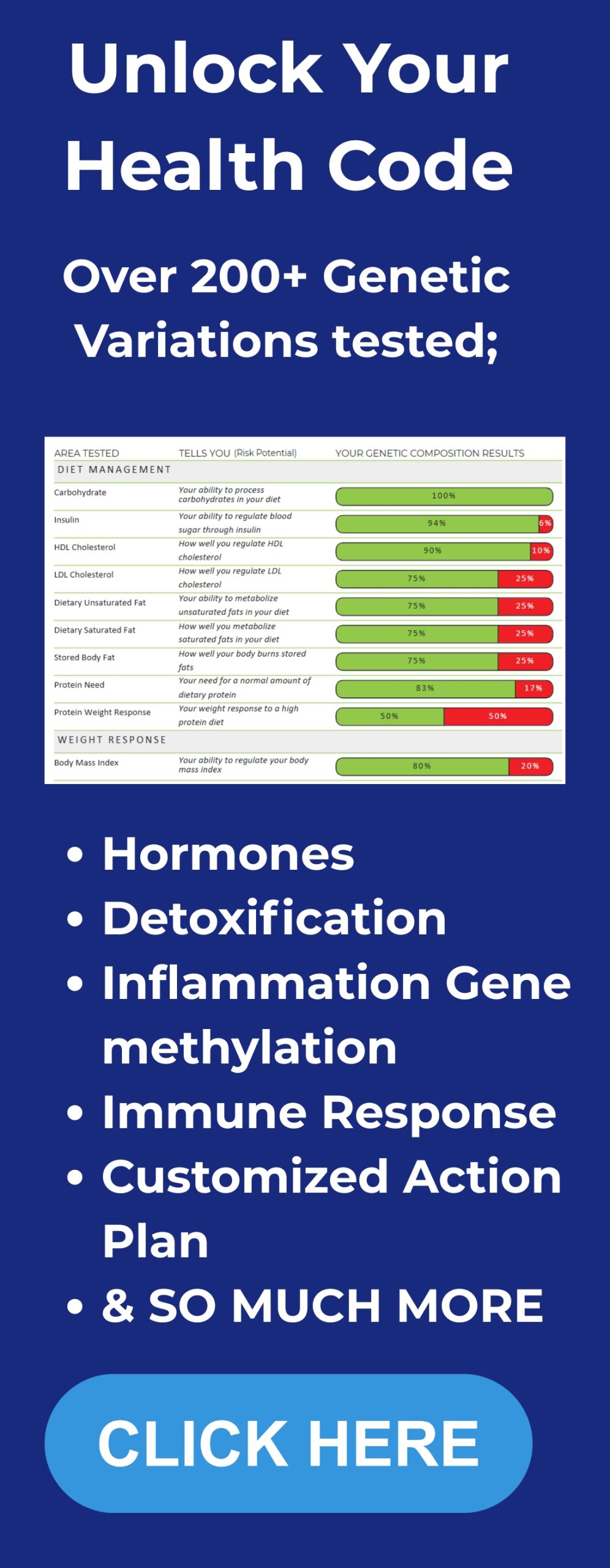
If you’re curious about how your own genetics influence your metabolism, the BetterLifeProtocols DNA Insight Program offers personalized testing that can reveal how your body processes fats, carbs, and key micronutrients.
In fact, most dogs only lose metabolic health when humans interfere by overfeeding, under-exercising, or substituting high-quality nutrition for cheap fillers. The irony is that in the natural world, a wolf or wild dog would never develop diabetes or obesity. These conditions are almost entirely man-made.
If you’ve ever wondered why your dog stays lean even after a big meal, it’s because their metabolic machinery is tuned for survival, not indulgence. Their systems prioritize fat-burning and muscle preservation which is something humans struggle with due to sedentary lifestyles and constant snacking.
What Happens When Your Dog Gets Too Heavy
This is where it gets real. A few extra pounds on a dog may not sound like much, but it can drastically affect their health. Veterinary studies show that even being 10% overweight can shorten a dog’s lifespan by up to two years. That’s significant when your furry friend’s average life expectancy is only about twelve to fifteen years. The Purdue University College of Veterinary Medicine’s Life Span Study found similar results, linking even mild obesity to reduced lifespan and higher risk of chronic illness in dogs.

Here’s what happens inside a dog’s body when they become overweight:
-
Joint stress increases. Dogs carry their weight on all four limbs. Every extra pound puts exponential strain on their hips, knees, and spine.
-
Inflammation rises. Fat tissue isn’t inert. It releases inflammatory hormones that contribute to arthritis, heart disease, and even certain cancers.
-
Insulin resistance develops. Just like in humans, too much weight can impair insulin function, leading to diabetes and energy crashes.
-
Cardiorespiratory fitness declines. Overweight dogs tire faster, pant more, and struggle with endurance.
-
Quality of life drops. Fewer walks, less playtime, and slower recovery become the new normal.
As a dog owner, watching your companion lose vitality is heartbreaking but it’s preventable. And here’s where the veterinary advice always sounds so simple: diet and exercise.
When your vet says, “You need to walk your dog more and cut back on treats,” they’re not prescribing a quick fix. They’re restoring metabolic balance.
Diet and Exercise vs. Pills: A Tale of Two Species

When a dog gains weight, we change the food and move more. When a human gains weight, we reach for pills. That’s the cultural divide.
Dogs don’t take appetite suppressants, fat blockers, or glucose-lowering drugs; at least not unless prescribed for a serious condition. Instead, their healing process depends on natural metabolic correction. Reduce calories. Increase activity. Feed nutrient-dense food. That’s it.
As humans, we often skip that step. Our modern medical system is built around symptom management, not root cause repair. That’s why I’ve become an advocate for a more integrated wellness approach—just like the BetterLifeProtocols Integrate Protocol, which combines nutrition, movement, and recovery practices to restore true metabolic balance.
As Harvard Health Publishing explains, humans tend to treat metabolic syndrome with medications rather than addressing the underlying behaviors that cause it; something we rarely do with our pets. We use pharmaceuticals to mask the effects of poor habits rather than addressing the underlying imbalance.
The truth is, our dogs respond beautifully to lifestyle changes because their bodies aren’t clouded by the same chronic stress and chemical exposures that we face daily. When we fix their diet and activity level, they bounce back fast. Their bodies remember what health feels like.
Maybe we should take notes.
How to Support Your Dog’s Metabolic Health

Over the years, I’ve learned that small, consistent habits create massive results for dogs. Here’s what works best:
1. Feed Real Food
Look for high-quality, species-appropriate dog food that prioritizes protein and fat over carbohydrates. The first ingredient should always be real meat and not “meal” or “by-product.”
A few solid options available on Amazon include:
-
Orijen Original Dry Dog Food – a biologically appropriate formula made in Canada.
-
Open Farm RawMix – uses ethically sourced ingredients with no grains or fillers.
-
Blue Buffalo Wilderness High Protein – for active dogs that need sustained energy.
Avoid foods that list corn, wheat, or soy as primary ingredients. These create blood sugar spikes and promote fat storage.
2. Watch the Treats
It’s easy to overdo it with treats, especially when those puppy eyes are pleading. But many commercial dog treats are loaded with starch and sugar. Look for freeze-dried liver, single-ingredient treats, or make your own from cooked meat or dehydrated sweet potato.
3. Move Together
Daily exercise keeps both you and your dog metabolically sharp. Whether it’s a brisk 30-minute walk, fetch at the park, or a hike on weekends, movement resets hormonal balance and improves fat metabolism.
I like to use a hands-free dog leash that allows me to jog with my dog while keeping my posture natural. It turns exercise into a shared ritual rather than a chore.
4. Mind the Portions
Dogs don’t need nearly as much food as we think. Use a kitchen scale to measure meals accurately, especially during weight loss phases. Portion control isn’t punishment, it’s protection.
5. Prioritize Gut Health
A dog’s microbiome plays a key role in metabolism. Consider adding a probiotic supplement designed for dogs. Products like Purina FortiFlora or Zesty Paws Probiotic Bites (both on Amazon.ca) support digestion and nutrient absorption.
6. Keep Vet Checkups Regular
Annual or semiannual checkups can catch metabolic issues early. Ask your vet to monitor your dog’s body condition score (BCS), fasting glucose, and thyroid function if you suspect weight issues. The Canadian Veterinary Medical Association (CVMA) recommends routine veterinary visits at least once a year to screen for weight-related issues and ensure nutritional balance, particularly in aging dogs.
What Humans Can Learn from Dogs
Watching how dogs recover from metabolic imbalance has taught me something profound: our bodies want to heal too. The same basic rules apply to both species.
-
Eat whole, nutrient-dense food.
-
Move regularly.
-
Rest deeply.
-
Avoid chronic stress.
-
Stay consistent.
Dogs don’t obsess over calories or step counts. They live in tune with their needs. If they’re tired, they rest. If they’re full, they stop eating. If they’re restless, they move. This intuitive living is the foundation of metabolic health.
Humans have overcomplicated wellness. We’ve replaced self-awareness with data and prescriptions. But if we paid more attention to how our pets thrive, we might rediscover the simplicity of real health.
The Emotional Connection Between Health and Love

When a dog gains weight, it’s often because we love them too much and spoil them with food. Sharing table scraps or extra biscuits feels affectionate, but it’s slowly harming them. I had to learn that love sometimes looks like discipline. It’s choosing the walk over the snack. It’s saying no to the pleading eyes because you care enough to protect their long-term well-being.
The same goes for us. Caring for our own metabolic health isn’t vanity butlove. Love for our families, our pets, and the years we want to spend together.
When I started treating my own body with the same compassion I give my dog by feeding it better, moving it daily, respecting its limits, my health improved dramatically. My energy stabilized, my sleep deepened, and my mood lifted. And just like my dog, I became more playful and alive.
A Shared Path to Better Health

If you want to improve your dog’s metabolic health, start by improving your own. Set a shared goal. Maybe it’s a daily 5K walk or a weekend trail adventure. Feed both of you cleaner food. Drink more water. Get sunlight. Create a routine that honors the natural rhythms of movement and rest.
Your dog doesn’t need perfection. They just need your consistency.
In return, they’ll give you something medicine never can: motivation. Because when you see your dog running free, tail wagging, eyes bright, you’re reminded of what health really looks like.
It’s not about numbers on a scale or bottles in a cabinet. It’s about vitality, connection, and shared joy.
And that’s something both species understand instinctively.
Final Thoughts
Metabolic health for dogs isn’t complicated but honest. It’s about respecting biology, not fighting it. Our pets can’t read labels or count macros, but their bodies respond perfectly to natural balance.
Maybe that’s why dogs often seem healthier and happier than we do. They live simply. They trust their instincts. And when something’s off, they fix it with movement and better food and not with pills.
So next time your vet says “diet and exercise,” listen closely. They’re giving your dog the gift of metabolic freedom. Maybe we humans should take the same advice.